This is a demo store. No orders will be fulfilled.
Toggle Nav
|
|
Dress Codes for a Wedding: A Wedding Dress Code Guide
Posted:
APRIL 26, 2023
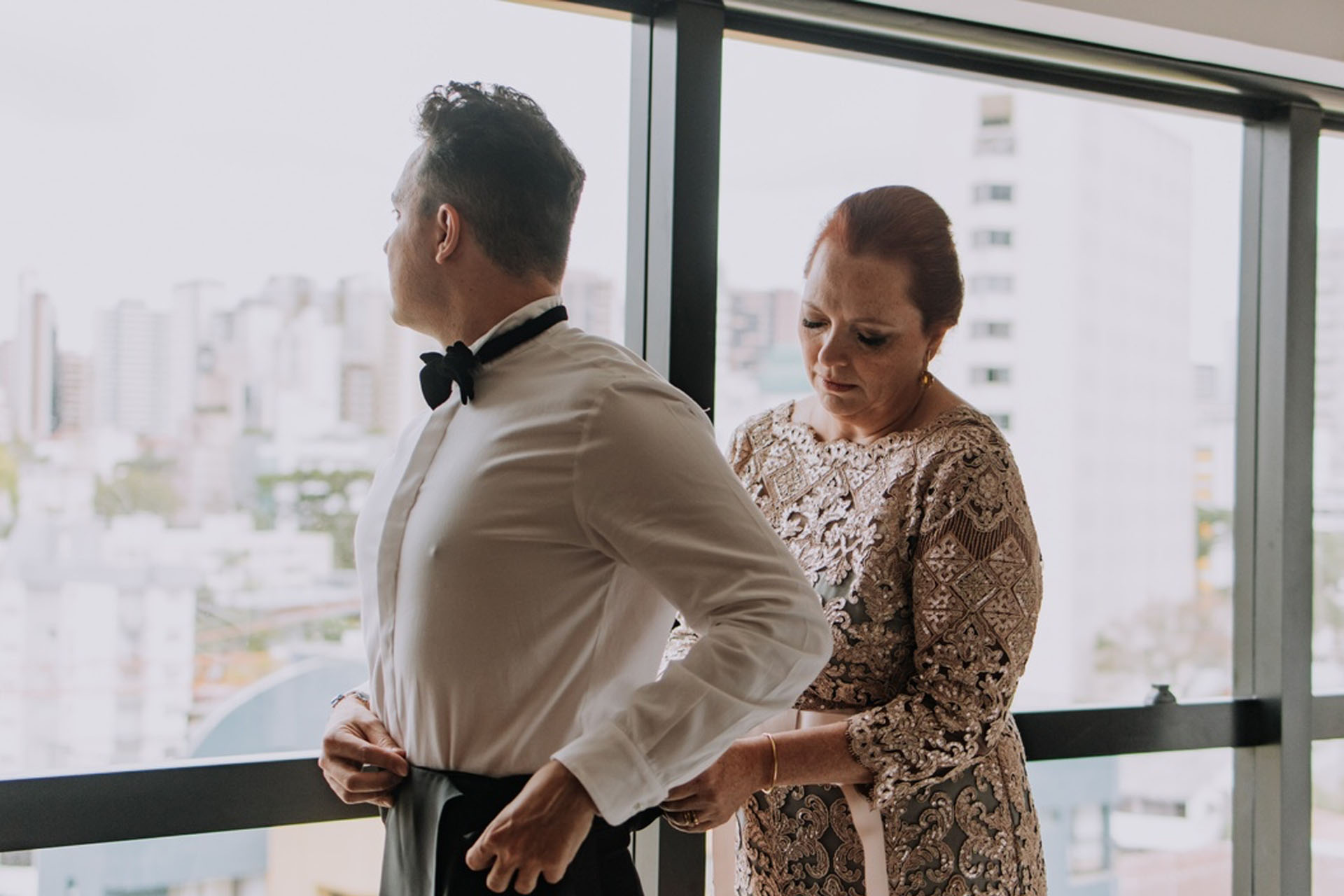
Weddings are always enchanting affairs. They’re an expression of love encapsulated in one spellbinding event. Receiving a wedding invitation is exciting—and a part of that excitement is imagining what you’re going to wear. That moment shouldn’t be hampered by confusion regarding the event’s dress code. You’re likely to come across terms like semi-formal, black tie, or full dress on an invitation, and trying to determine the occasion’s dress requirements can be dizzying. That is why we have gathered the most popular wedding guest attires and created a detailed wedding dress code guide of terms, styles, and tips to ensure that you’re prepared for the big event.
What are Wedding Dress Codes?
Simply put, wedding dress codes are the rules of attire for the event. Weddings take many forms, and consequently, there is an eclectic spectrum of wedding guest attire to consider, from casual to very formal. Much like the location and setting, these rules of dress lend to the nature of the event, and it’s important to adhere to them. A wedding’s dress code ensures that the main focus is on the bride and her gown. While you don’t want your dress to take the spotlight away from the bride’s, that doesn’t mean you can’t enjoy what you’re wearing.
Types of Dress Codes for Weddings
White Tie Dress Code Wedding
White tie attire, or full dress, is the most formal dress code there is. If you’re not familiar with the term, imagine an event held by the royal family at Buckingham Palace, or a ball at the White House. Men are expected to dress in tuxedos with tails, layered over white vests, cummerbunds, and formal shirts adorned with bow ties. Their pants should be of the same color and fabric as their tailcoat and their shoes should either be derbys or oxfords.
Women are called to don floor length evening gowns, or even ball gowns on some occasions. This is formal wear that is reserved for royal or state events and weddings. However, though the dress code may be rigid, that doesn’t mean your dress has to be. White tie attire breathes elegance. This is an opportunity to dress like royalty. Glide through the entryway in a draped taffeta crepe gown, and accessorize with constellations of precious stone jewelry, fur stoles, and elbow length silk gloves.
Black Tie Dress Code Wedding
Black tie attire is the second most formal dress code, and is worn for ceremonial occasions like weddings, or milestone birthdays, that are traditionally held in the evenings. Just as the name implies, men wear tuxedos with black ties and derby shoes or oxfords. Keep in mind that unlike
the tuxedos seen at a white tie wedding, black tie attire calls for a more familiar cut—without coat tails, vests, or cummerbunds.
When attending a black tie wedding, women typically wear evening gowns with floor length hemlines or maxi dresses that fall past the ankle with stylish heels. Similar to white tie, black tie attire has one of the more formal dress codes, but don’t assume that your style options will be, in any way, limited. Turn heads with an alluring backless plunge dress, or dazzle onlookers in a sequin ombré gown. As fashion has evolved and new cuts have been introduced, it is even possible to get away with a very formal cocktail dress. If the event seems a little more casual, don’t rule out that subtle high low dress you’ve been eyeing.
Formal Dress Code Wedding
Formal wear, or black tie optional attire, implies a more relaxed black tie event. Tuxedos and evening gowns are always acceptable, but a dark suit and tie with loafers for men, and a midi dress or cocktail dress for women are also permissible. There isn’t much of a notable difference between black tie and formal dress, but you do have more stylistic options. Dresses with hemlines that end above the ankle are an adequate choice for this occasion. If the vibrant colors of a sequin embroidered tea-length dress have taken up residence in the back of your mind, then a formal wedding is the reason you’ve needed to flaunt it.
Cocktail Dress Code Wedding
Cocktail wedding attire falls in the space between formal and casual and is ultimately designed to be a more comfortable type of formal wear. These events usually take place in the late afternoon or the early hours of the evening. As the title suggests, it is the perfect setting for you to wear a cocktail dress. The cocktail party is a classic affair, invented in the 1920's and popularized in the 1940's, but it's a trend that has lasted for a reason. Cocktail events are formal, but they add a playful buzz to their celebratory nature, and the dress code reflects this.
Men's cocktail dress hasn't changed much since its inception. They should look dashing in well-tailored dark suits and ties with oxfords or derby shoes.
A cocktail dress has a hemline that ends at the knee. Its tight waist follows the natural curve of your body and will flatter your silhouette. While menswear has remained the same over the decades, women's cocktail style has evolved to include more modern fashions. You have a number of different designs to choose from—all with different hemlines—be it a tea dress, midi dress, or even a mini dress. So, while the charm and ease of a sequin embroidered dress with an off-shoulder or keyhole neckline is an excellent choice, don’t be so quick to rule out a graceful trapeze mini dress.
Semi Formal Dress Code Wedding
Semi Formal attire, also known as dressy casual, is one of the more popular wedding dress codes. Your dress will be a little less formal and more dependent on the occasion’s venue. To best understand semi-formal wear, consider it a more celebratory form of business casual dress. Men dress in slacks and dress shirts with the option of a tie. Be aware that a man’s trousers should be darker if the wedding is being held in the evening, and lighter if it’s happening during the day. Women wear midi dresses, formal tea skirts, or stylish pantsuits. Dressy casual attire is
sometimes combined with cocktail attire for a more chic wedding as well. If this is the case, it is the perfect opportunity to show off your favorite little black dress. Again, a lot of what you’ll wear to a semi formal wedding will depend on the venue. For example, if the wedding is being held outside, you would do better to slide into a pair of flats instead of heels that are likely to sink or get caught in the grass. Tadashi Shoji has gorgeous floral print dresses that would pair perfectly with gladiator sandals for a great outdoor semi formal look. If the wedding is being held indoors, go for a bolder approach with an emerald draped crepe jumpsuit and a pair of heels.
Wedding Dress Code Casual
A casual wedding dress code can be one of the more confusing rules on attire. When an invitation specifies casual dress, be aware that it does not mean that anything goes. Daytime dress, as it’s also known, implies that you’ve been invited to an outdoor wedding such as a lawn wedding. Women typically wear midi dresses or jumpsuits with flats or sandals, and men should sport blazers over a dress shirt without a tie or pocket square to keep from being too formal. While it may be the least formal wedding dress code, you are still attending a wedding. Don’t assume that jeans are appropriate unless the invitation specifically states otherwise.
Semi formal, and casual attire are both more flexible than other dress codes. You’re able to experiment with patterns or fabrics that wouldn’t fit typical business attire. Men can substitute a tie for a polo or motif resort shirt, and instead of solid dark colors, women are free to explore bolder dress patterns like floral graphics or distinct plaids. If you’re looking to stand out amongst the other guests, we recommend a flutter cape-sleeve or embroidered high-low midi dress for that extra splash of flourish.
Choosing Types of Dress Code for Weddings
If you’re planning your wedding, you know there are a lot of details that go into creating your perfect moment. With everything you have to juggle, wedding dress code options don’t have to be stressful. When choosing the event’s attire, it’s best to imagine the other aspects of your big day. Where are you hosting the event? What is the climate, and during what season? Do you envision your wedding indoors or outside. These are all things that will have an impact on the dress code. For example, if your wedding is being held in the evening, men’s suits are generally a darker color. If your wedding date is set sometime in autumn or winter, maybe the hemlines of guests’ dresses should be a little longer. Consider the venue where the ceremony will be held. Take the time to gather information on other events that have been held there. Maybe the locale is in a historical building, where black tie, or even white tie, events have been held. A wedding in a church is a classic setting for cocktail attire. If you fancy an outdoor wedding, choose a dress code that accommodates guests accordingly. Floor-length gowns or high heels could possibly become cumbersome and messy. Aside from that, if there is something particular you would like, you have every right to ask for it. Theme weddings are very popular, and there’s nothing wrong with asking your guests to wear something blue. This is your moment, and it should feel perfect.
Where to Include Dress Code for Wedding on Invitation
There are three places where you can add the dress code on wedding invitations. The first is on the invitation itself—at the bottom left or right-hand corners of the page. If that isn’t an option, it can be placed in the bottom center below the design. The second space is on a separate info card. If there are additional details for your wedding, place them on an information card. This will preserve the simplicity of the invitation itself. Lastly, if you’ve created a website for your wedding, place the dress code prominently in the information section of the site.
No two weddings are the same, because every couple is unique. A lot of time and effort is invested in the planning of a wedding to ensure that everything about the occasion is perfect. The wedding’s guest attire is a part of that vison. For this reason, it’s important that guests are knowledgeable about the different dress codes for weddings. When guests understand the dress codes, and the attire that each one requires, when the invitation comes, choosing a dress can be exactly what it is meant to be: fun. For more beautiful wedding guest dress ideas, Visit Tadashi Shoji.com for the latest styles.
My Wish List
Last Added Items
You have no items in your wish list.